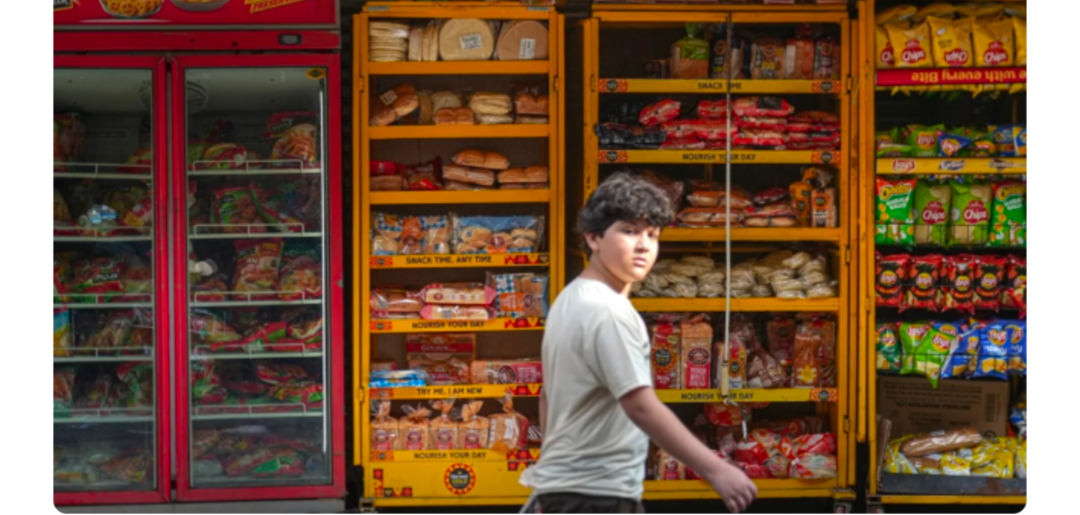
In most Delhi colonies, Diwali used to be announced at the corner kirana. Marigolds and fairy lights would go up all over the shop front, boxes of dry fruit and sweets would be stacked up by the counter, and the diyas would spill out onto the road. For the shopkeeper, it was the busiest time of the year by far, the time when the shop would be kept afloat through the rest of the year.
This Diwali season, the lights are on, but the counter is quieter. There is no jostling for space, no children tugging at their parents’ sleeves for a box of phuljhadis, no Uncle calling out to his helper to fetch another carton from the godown. Instead, a young fella we didn’t know was in charge at the kirana in our lane, scrolling through his phone between the occasional customer. When I asked after Uncle, he told me, almost apologetically, that Uncle had sold the shop a few months ago. There were far fewer customers coming in now, he said; most of the old families just order online — milk in the morning, sweets for guests, even the diyas for Lakshmi puja.
The social economy of the kirana
The kirana was more than a shop. The owner knew the families in the area: Who had moved in, whose kids were at which school, which house was up for rent. All purchases went into a monthly khata, which was settled at the end of the month. If something was out of stock, he would get it by the end of the day. In economic terms, it was retail, informal credit and local information all in one counter, held together by trust.
The kirana and the colony parlour are part of India’s MSME sector (over 7.47 crore enterprises, supporting around 32.8 crore livelihoods as per the Ministry of MSME 2026), with the vast majority of them being micro units with very thin margins and little capital. They now find themselves in direct competition with well-funded platforms. Blinkit, Zepto, Swiggy Instamart, Flipkart Minutes, Amazon Now, BB Now and JioMart all deliver groceries (including Diwali essentials) in minutes. Quick commerce crossed 9 million orders a day in August 2026 (Datum Intelligence, as per Entrepreneur India August 2026), and the dark store network of the three largest players grew by nearly 48 per cent over the course of a year to 5,026 stores (Equirus Securities 2026). 82 per cent of the buyers have shifted at least a quarter of their kirana purchases to the apps (Datum Intelligence 2024). The colony beauty parlour is under the same pressure as all the others, with customers booking their beauticians at home via Urban Company, Yes Madam and GetLooks. Shopkeepers and parlour owners in Delhi are all talking about a drop in business of 30-40 per cent (not just at festival time but all year round). Distributors have reported a month-on-month drop of 25-30 per cent in general trade going into Diwa